



Most people receive a jewelry appraisal and tuck it in a drawer without a second thought. But if you've ever looked at one closely, you've probably noticed something strange: the appraised value is almost always significantly higher than what you paid. Sometimes double.
That's not an error, and it's not the jeweler doing you a favour. It's a system designed a specific way, for a specific reason, and most buyers have no idea how it works.
Let's fix that.
A Brief History of Jewelry Appraisals
Jewelry appraisals have existed in some form for thousands of years. Ancient Egyptian and Roman merchants used trained evaluators to assess gemstones and precious metals for trade and taxation. In medieval Europe, guild systems formalized the valuation of gold and silver, with master craftsmen as the authority on quality and worth.
The modern appraisal took shape in the 20th century, driven largely by the insurance industry. As fine jewellery became accessible to the middle class, and theft and loss became insurable events, there was suddenly a need for standardized, documented valuations. Organizations like the Gemological Institute of America (GIA), founded in 1931, and the American Gem Society (AGS), founded in 1934, emerged to professionalize the field and set credentialing standards insurers could rely on.
What an Appraisal Actually Measures
Here's the part most people get wrong. A jewelry appraisal is not an assessment of what your piece would sell for on the open market. It's an estimate of replacement value: what it would cost to walk into a retail jewelry store today and replace that exact piece at full retail price.
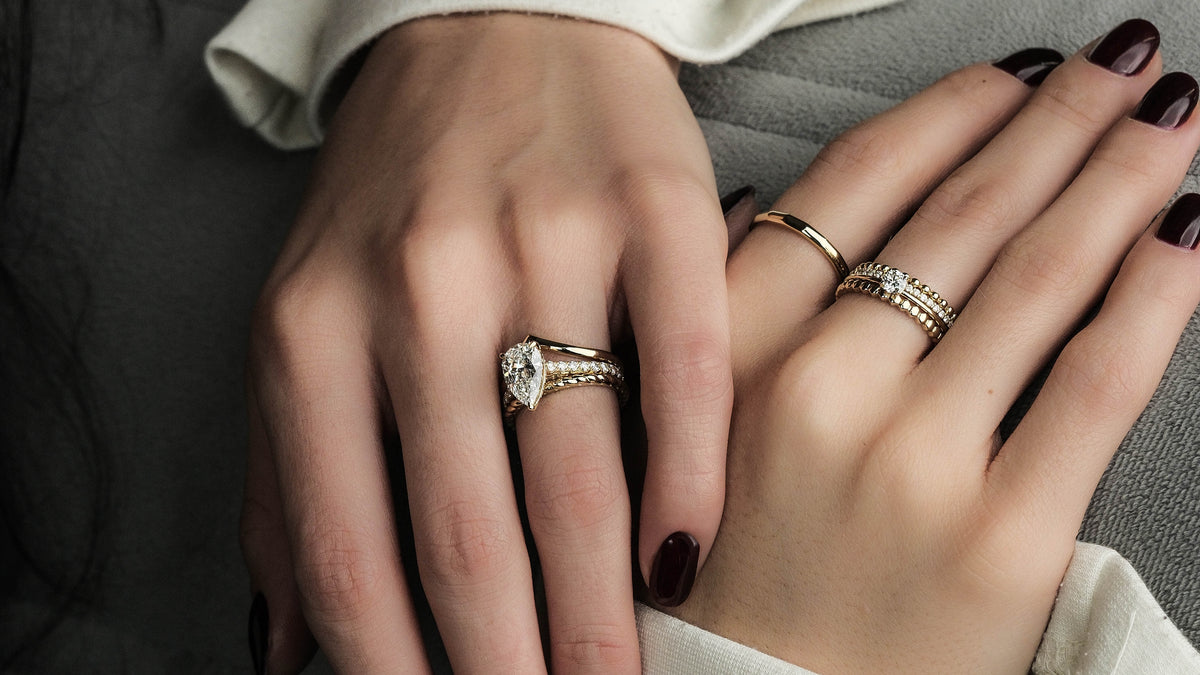
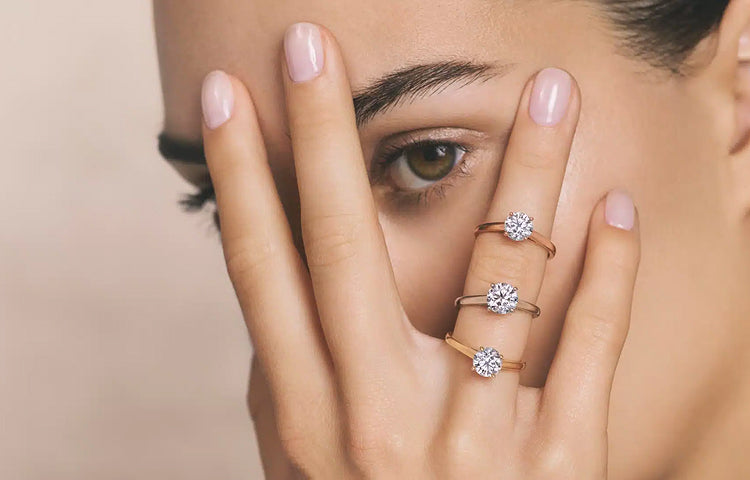
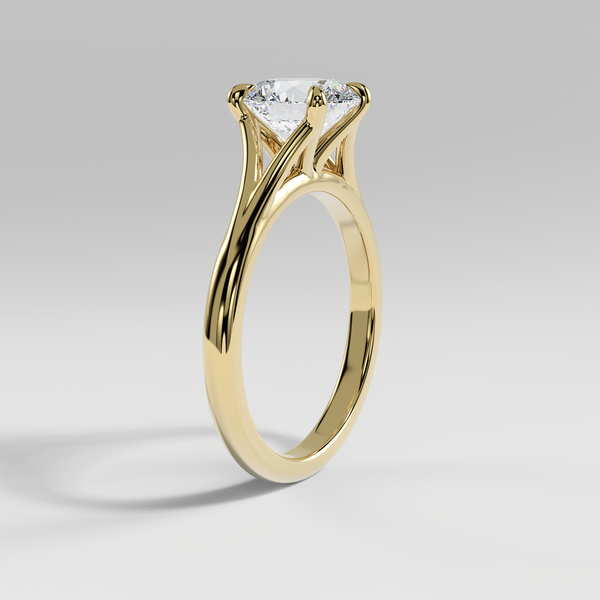
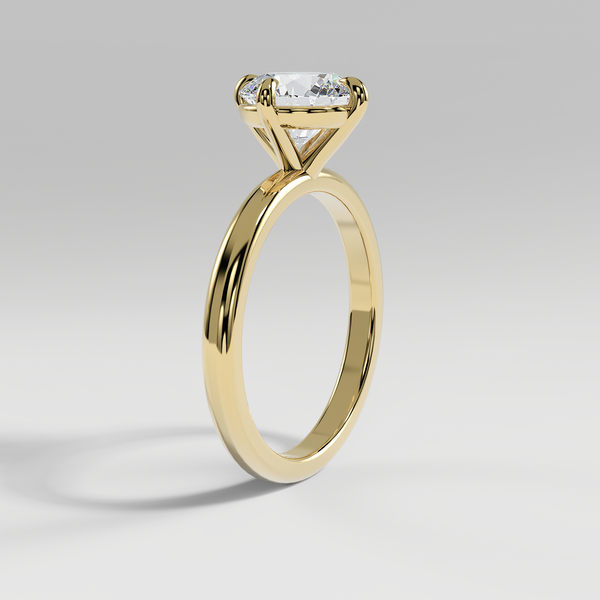
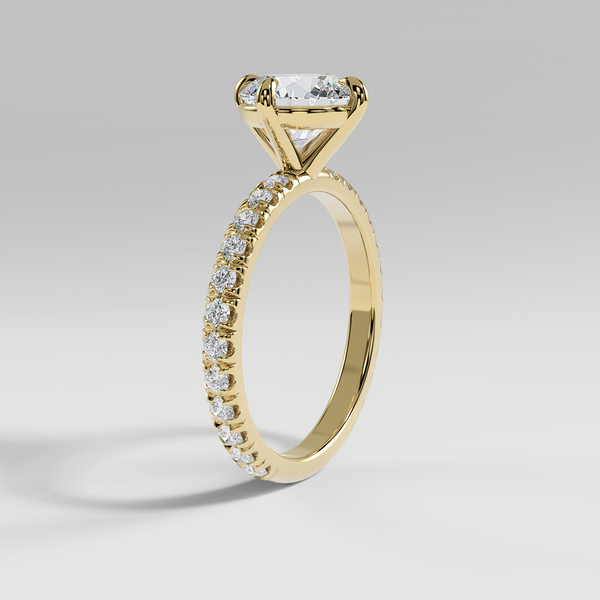
That's why the number always looks inflated. If you bought a lab-grown diamond engagement ring directly from the jeweler who makes it, with modest markups instead of big-retail ones, the way Mad Minerals operates, your appraisal reflects what a traditional retailer would charge for the same piece, which can be significantly more. A ring you paid $3,500 for might appraise at $6,000 or higher.
That's not padding. That's the gap between a fair price and a big-retail price, documented on paper.
For insurance, that's a good thing. If your ring is lost or stolen, your insurer uses that replacement value to compensate you. The higher the appraisal, the more coverage you have.
Myth vs. Fact
Myth: Your grading certificate and your appraisal are the same thing.
Fact: A certificate describes the diamond's grades. An appraisal puts a dollar value on the whole piece, for insurance.
Myth: You need a licence to call yourself an appraiser.
Fact: In most of Canada and the U.S., you don't. That's exactly why credentials matter.
Not All Appraisers Are Created Equal

This is where things get interesting, and where buyers need to pay attention. Unlike medicine or law, gemology isn't a regulated profession in most of North America. In theory, anyone can print business cards and call themselves a jewelry appraiser. There are no government licensing requirements in most Canadian provinces or U.S. states.
What separates a legitimate appraiser from someone going through the motions is professional credentials. Two of the most respected:
- GG, Graduate Gemologist (GIA): considered the gold standard in North America. A GG has completed rigorous coursework in diamond grading, coloured stone evaluation, and gem identification, typically over one to two years, including hands-on lab training with real stones.
- AGS Certified Appraiser: the American Gem Society holds members to strict ethical standards and requires ongoing education to keep the certification. AGS appraisers are especially well regarded for consumer protection.
Whether your appraisal comes from an independent appraiser or from your jeweler directly, it's the credential that gives the document legitimacy, not the location. What matters is that whoever signs it has the training to back it up. Every engagement ring and fine jewellery purchase from Mad Minerals comes with an appraisal from a certified gemologist who knows both the traditional and lab-grown diamond markets inside and out.
The Lab-Grown Complication
If you own a lab-grown diamond engagement ring, appraisals need a bit more attention. Lab-grown prices have fallen dramatically over the past five years, by 50–70% in some categories, as production has scaled and supply has grown. Great news for buyers, but a challenge for appraisers still calibrated to mined diamond pricing.
An appraiser who isn't current on the lab-grown market may over-appraise your stone based on outdated comparisons, or under-appraise it because they don't fully understand the product. Neither serves you. Always confirm your appraiser has specific lab-grown experience before trusting their valuation.
How Often Should You Update Your Appraisal?
The standard recommendation is every two to three years, but the real answer is: whenever the market moves significantly. Gold has hit record highs recently and sits at nearly double where it was just a few years ago. If your ring was appraised in 2021 and has significant gold content, that appraisal is likely understating its current replacement value, which means your insurance coverage has a gap.
Set a reminder. It takes an hour, and the peace of mind is worth it.
What to Do With Your Appraisal Once You Have It

Once you have your appraisal, the next step is insuring the piece. The simplest route is adding it as a scheduled item on your existing home or renters insurance. Most providers offer this as an easy add-on. For more comprehensive coverage, specialty jewellery insurers like Jewelers Mutual offer dedicated policies covering not just theft and loss but accidental damage, which standard home insurance often excludes. Premiums are typically a small percentage of the appraised value, so your coverage, and your premium, reflect the true cost of replacing what you own.
From the Bench: The Appraiser Who Lowballed Me
Early in my career I used an appraiser who, I quickly learned, had a very specific agenda. Every time I brought in a ring, he'd lowball the appraisal, valuing the piece at barely above what it cost me to make, then tell me my diamonds were overpriced. His pitch was always the same: he could source me better stones at better prices.
So I looked into it. The diamonds he was offering were the same quality I was already sourcing, at the same price. There was no better deal. He was deflating my appraisals to make my sourcing look bad, create doubt, and wedge himself in as a supplier.
The appraisal was the leverage. The diamond sale was the goal.
I walked away and never went back. I've worked with the same FGA-certified gemologist ever since. If you haven't heard of it, the FGA (Fellow of the Gemmological Association of Great Britain) is one of the most rigorous gemological credentials in the world, from an institution founded in 1908, more than two decades before the GIA. In North America the GIA gets more name recognition, but in gemological circles an FGA carries just as much weight, if not more.
The point isn't that every appraiser has an agenda. Most don't. The point is that credentials exist for a reason, and an appraiser you can't verify is an appraiser you can't fully trust. Every Mad Minerals purchase comes with an appraisal from a certified professional I've vetted personally, because I learned that lesson early and I'm not interested in repeating it.
5 Questions to Ask Your Appraiser
- What are your credentials? Look for GG (GIA), AGS, or FGA.
- How much experience do you have with lab-grown diamonds specifically?
- Is this appraisal for replacement value, for insurance?
- Do you also sell diamonds? If so, ask how they keep the two separate.
- When should I have this updated?
The Bottom Line
Protecting your engagement ring starts before you even leave the jeweler. Jewelry appraisals are legitimate, necessary, and genuinely useful, but only if you understand what they measure and who is doing the measuring. They don't reflect resale value, market value, or what you paid. They're a snapshot of replacement cost, issued by a credentialed professional, to protect your investment.
Know the difference, and you'll never be caught off guard.
Ask the Jeweler
Got a question about a diamond you're looking at, or a ring you already own? Send it to me. I answer the best ones right here in Questions Before the Big Question.
Next in the series: So where does that appraisal number actually come from? What Determines a Jewelry Appraisal's Retail Value? The Real Breakdown →
Questions Before the Big Question: the Mad Minerals blog series.
About the author
Jeffery founded Mad Minerals in 2018 in Montreal to make high-quality lab-grown diamond engagement rings and custom jewellery. He writes The Loupe to answer the questions people actually ask before they buy.